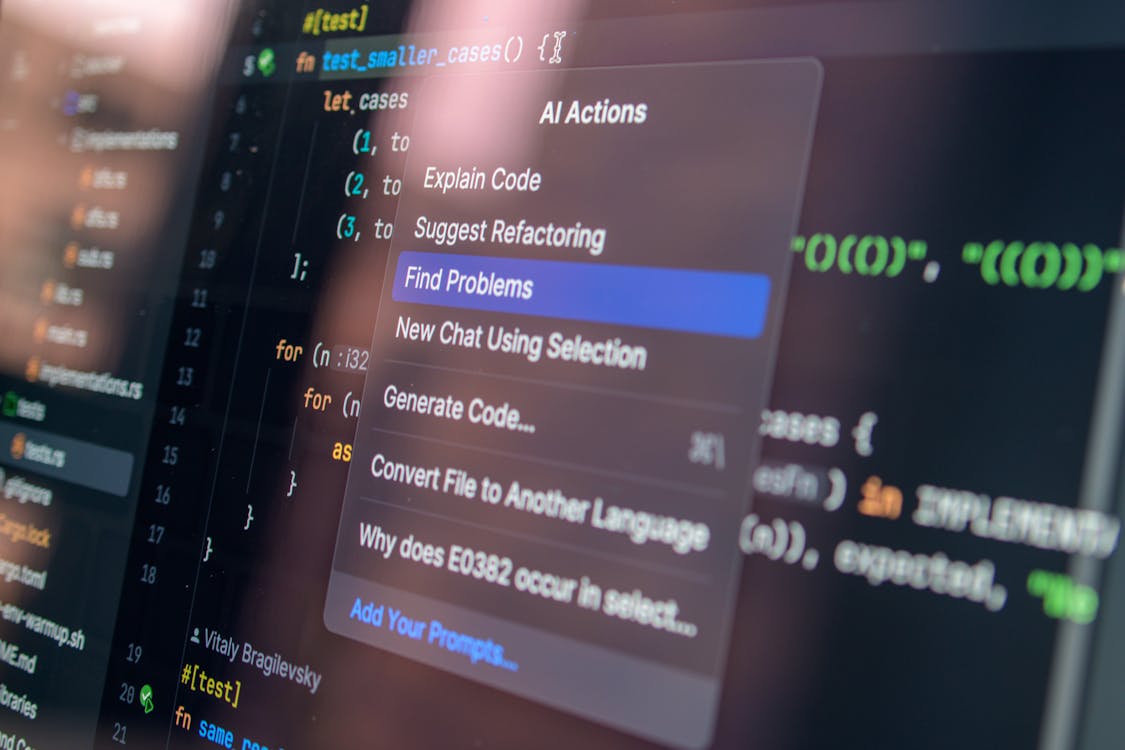
The hourly rate is becoming a less honest measurement of professional work, because AI-assisted development is genuinely 2-10x faster on some tasks and roughly the same speed on others. Nothing better has replaced it: dynamic agile pricing (estimating and pricing sprint by sprint as scope evolves) only works for senior teams, fixed-rate hides the same risk it always did, and the cheap-AI-developer wave is producing systems that will be expensive to fix on hourly rates. The smart move for clients isn't to chase lower rates. It's to plan more ambitiously and work with professionals.
For a long time, the professional measure of work in ecommerce development was the hourly rate. Billable hours. Fixed-rate projects existed, sure, but anyone who's worked on something serious knows they don't really work, not for clients, not for developers. Small projects, fine. But the moment scope gets real, there are too many moving parts: third-party integrations that misbehave, content decisions that drag, unexpected edge cases. To guarantee a fixed price on something genuinely unpredictable, a developer has to pad the estimate enough to absorb every plausible surprise. Clients end up paying for risk they can't see, and developers end up either underwater or overcharging. Hourly billing was the honest compromise.
Key Takeaways
- A senior developer with AI moves 2-10x faster on boilerplate, refactors, and integration glue, and roughly the same speed on architecture and judgment-heavy work.
- Rescue engagements (cleaning up AI-generated code from inexperienced developers) are becoming their own category, and they're expensive.
- Dynamic agile pricing (adjusting estimates and price as scope evolves sprint by sprint) concentrates at the top of the market because it requires teams with the judgment to keep re-scoping unbuilt features in flight.
- Bot traffic from scrapers, agentic shopping assistants, and comparison engines is creating new infrastructure costs that didn't exist three years ago.
- The smart play for clients isn't lower rates. It's the same budget aimed at more ambitious work.
Then AI showed up, and the compromise started cracking.
What's Actually Happening
AI-assisted development is real, but it's uneven. A senior developer with Claude or Cursor in their workflow can genuinely move 2-10x faster on certain tasks: boilerplate, refactors, test scaffolding, integration glue. On other tasks (architectural decisions, debugging weird production issues, anything requiring judgment), the speedup is marginal or zero. So already the "hour" is a less honest unit than it used to be. An hour of AI-augmented work isn't comparable to an hour of unaugmented work, even from the same person on the same day.
Clients sense this and assume rates should drop. And in the short term, competitive pressure from inexperienced developers shipping AI-generated code at low rates makes it look like the floor is falling out. But this is the adjustment period, not the new normal.
The Mess Underneath
Here's what's not obvious yet: AI is making some parts of development cheaper while making other parts more expensive, and the expensive parts are the ones that actually matter for production systems.
A few things happening at once:
Vibe-coded MVPs hit a wall. Inexperienced developers can now ship a working-looking prototype in a weekend. Beautiful. The problem starts when that prototype needs to scale, integrate with a real ERP, handle Black Friday traffic, or pass a security audit. Rescue work, coming in to clean up AI slop and rebuild the foundations, is becoming its own category of engagement, and it's expensive.
Code review and architecture hours are going up. Implementation got faster, but reviewing what the AI (or the junior using AI) actually produced takes more senior attention, not less. The bottleneck moved.
Bot traffic is its own beast. Separate from AI in development, every serious ecommerce store is now dealing with a flood of AI agents: scrapers training models, agentic shopping assistants checking out on behalf of users, comparison bots hammering APIs. Big stores are rethinking caching, rate-limiting, and infrastructure costs because of it. That's new work that didn't exist three years ago.
The liability question nobody's answering. When AI-generated code ships a security flaw or leaks customer data, who owns it? The developer who accepted the suggestion? The agency? The AI vendor? Insurance and contracts haven't caught up.
So What Replaces the Hour?
Honestly? Nothing has, yet.
Dynamic agile pricing sounds great in theory: estimate and price the work as it evolves, sprint by sprint, paying for working features instead of clock time. It's the model agile teams have been refining for years, and it's the closest thing the industry has to a real alternative to the hour. But it runs into the same problem fixed-rate projects always had: who defines "working," who absorbs the risk of scope creep, and how do you price something nobody's built before?
And there's a quieter problem with dynamic agile pricing that nobody talks about: it only works with genuinely professional teams. A senior team with real architectural judgment can scope a feature, identify the risks upfront, push back on bad requirements, and deliver something that actually solves the business problem. They can afford to price by outcome because they know what the outcome costs them.
Hand the same model to a junior or mid-level team (even a well-meaning one) and it falls apart fast. They underestimate complexity because they haven't seen it before. They accept vague requirements because they don't know which questions to ask. They ship something that technically matches the brief but misses the actual goal, and now both sides are stuck arguing about whether the "outcome" was delivered. AI makes this worse, not better. It lets less experienced teams look like they can take on dynamic agile work, right up until the project hits its first real obstacle. The gap between "looks production-ready" and "is production-ready" has never been wider, and dynamic agile pricing assumes a team that can tell the difference.
So in practice, dynamic agile pricing concentrates at the top of the market while everyone else stays on hourly or fixed, and that's not going to change soon.
Retainers work for ongoing relationships. Value-based pricing works when value is measurable. Hourly still works when trust is high and scope is fluid. None of these are clean answers.
The Honest Conclusion
The hour is becoming a less honest measurement of professional work, but nothing better has emerged, and clients are about to learn this the hard way. The cheap-AI-developer wave will produce a generation of brittle systems, and the people who can fix them will charge whatever they want, by the hour, because that's still the only unit that survives contact with reality.
In the end, the customer wins on speed: faster prototyping, faster idea-to-production, more flexibility. But "cheaper" is the wrong word for what's coming. It's differently expensive, and the bill comes due in places nobody's looking yet.
The smart move for clients isn't to chase lower rates. It's to plan more ambitiously and work with professionals. If AI genuinely makes a good team faster, don't pocket the savings. Reinvest them. Ship the features you've been deferring for years. Fix the technical debt you've been ignoring. Build the integrations that were "too expensive" last quarter. The same budget now buys a more capable system, but only if it's spent with people who actually know what they're building. Spent badly, that same budget buys a faster path to a brittle mess. The speedup is real, but the judgment about what to build, and how to build it so it survives, is more valuable than ever, not less.
Frequently Asked Questions
Is AI making developer rates drop in 2026?
Short term, yes, for inexperienced developers competing on price. Not for senior teams. Senior rates are stable to rising because the work that survives AI's first pass (architecture, debugging, judgment) is now scarcer and more valuable, and rescue engagements for failed AI-generated code are creating a new high-rate category.
Should I switch from hourly to dynamic agile pricing for development work?
Only if your team can scope and price unbuilt features accurately as the work evolves, which requires senior judgment. Dynamic agile pricing concentrates at the top of the market for a reason: junior teams underestimate complexity sprint by sprint and end up arguing about whether the outcome was actually delivered. AI makes this gap wider, not narrower.
Why does AI-generated code need rescue work?
AI ships code that looks like it works. It often won't scale, integrate cleanly with a real ERP, handle production traffic, or pass a security audit. The gap between "looks production-ready" and "is production-ready" is wider than ever, and closing it has become its own paid engagement category.
How much faster does AI-assisted development actually get?
A senior developer can move 2-10x faster on boilerplate, refactors, test scaffolding, and integration glue. On architectural decisions, debugging weird production issues, and anything requiring judgment, the speedup is marginal or zero. The hour is no longer comparable across tasks, even from the same person on the same day.